
Historic hydrological environments
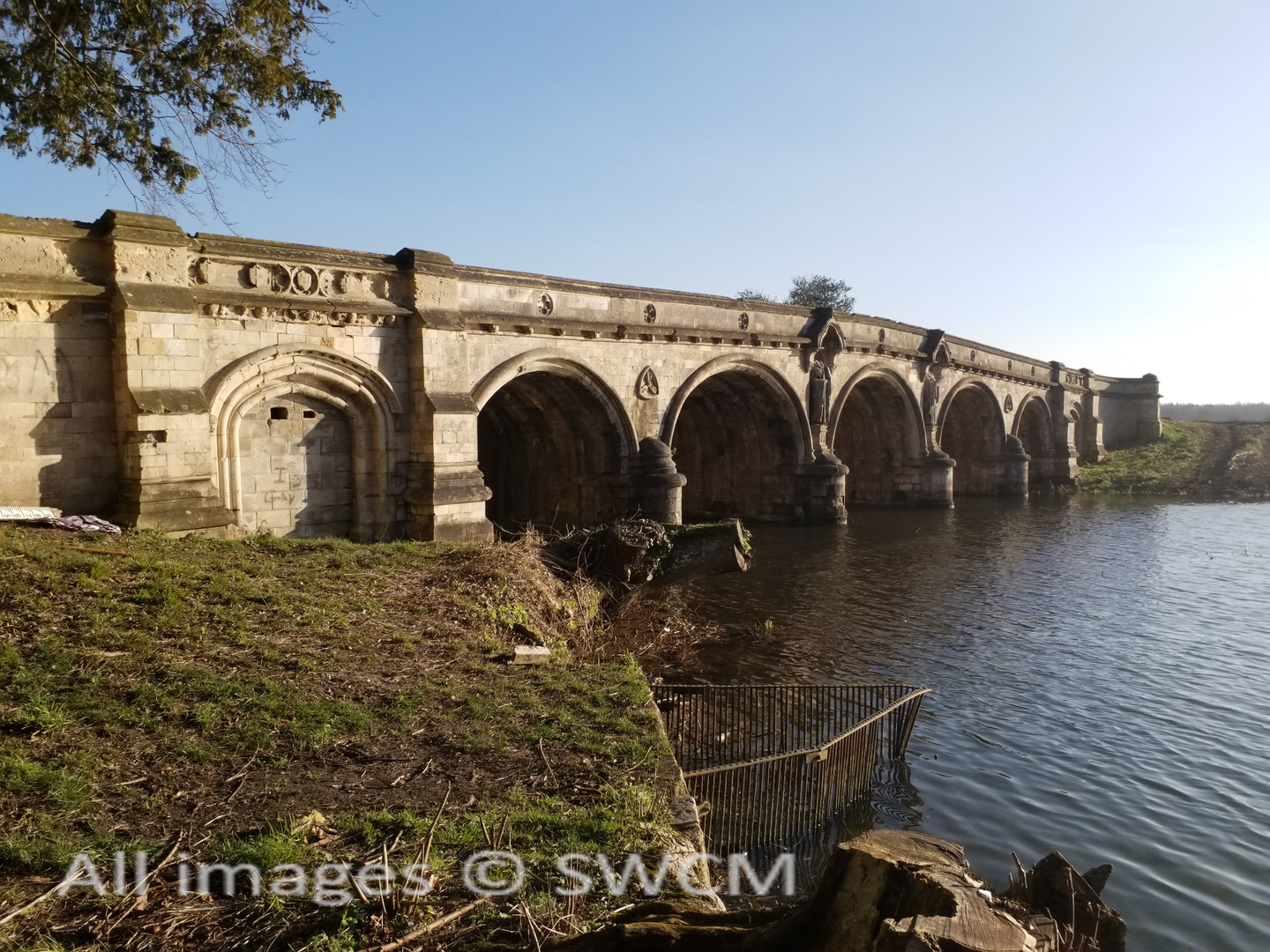
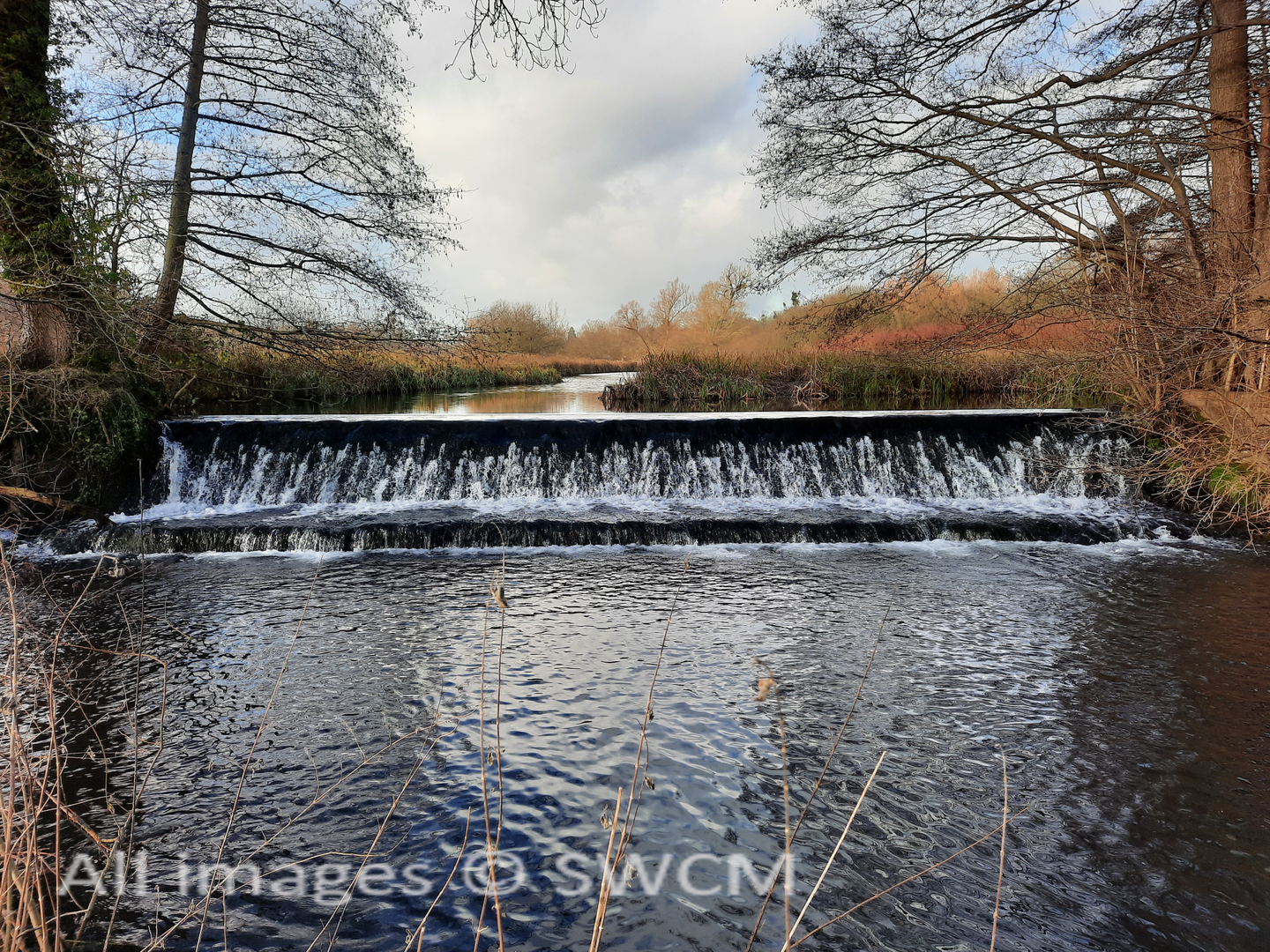
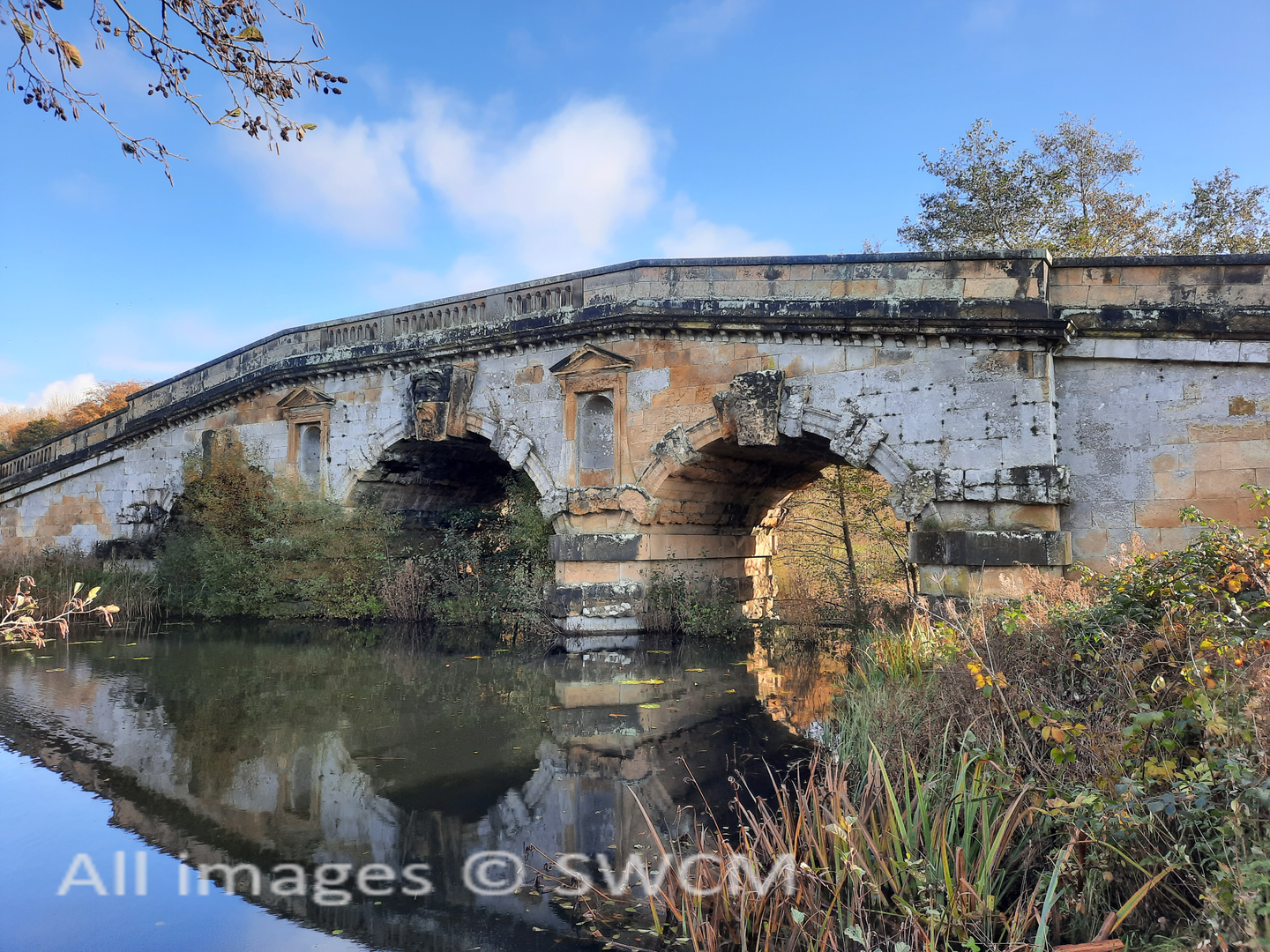
Combining expertise in hydrology, soils and catchment management, with a keen interest in rural history, has ideally placed SWCM to evaluate a wide range of historic water environments.Parkland lakes, ponds and water features are all unique, but face common 21st century pressures. In particular, climate change and water quality can make shallow lake management challenging due to extreme events (flood and drought), frequently combined with adverse concentrations of nutrients and suspended sediment.
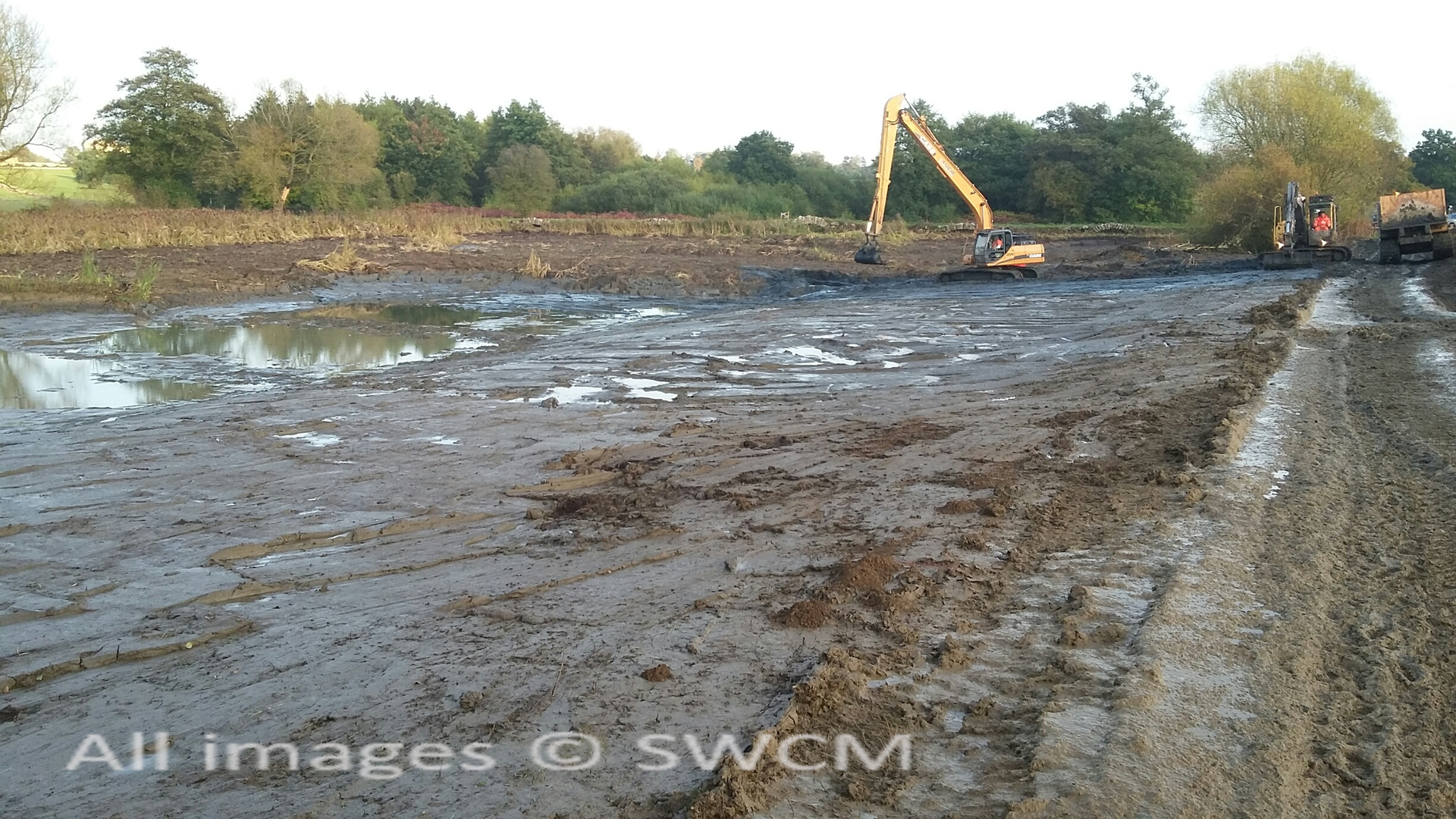
Additionally, the financial constraints of post-war estate management often caused lakes, ponds and water features to appear superfluous, meaning they were frequently one of the first casualties of neglect. Maintenance, via desilting, selected vegetation and tree removal, or engineering repairs can help, as can assessments of inflowing water, and potentially, measures to reduce upstream catchment pressures.
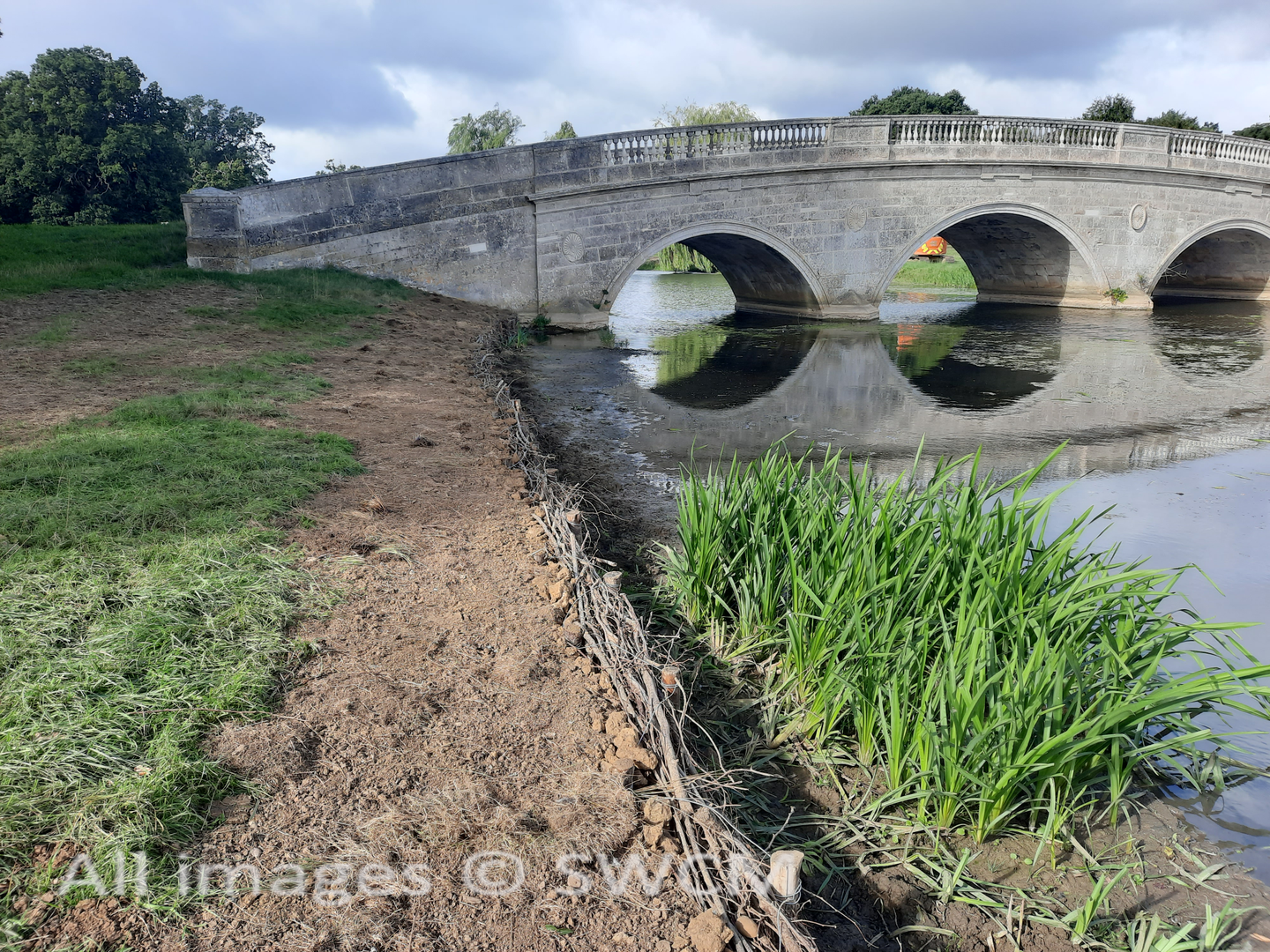
SWCM has assessed parkland lakes nationwide. We understand how water was used in landscaping, and how older water features were frequently re-used or beautified by parkland designers; how designed viewpoints may have been lost by modern plantations or scrub; and how, with vision, landscapes can be restored.
We work closely with a range of independent specialists as needed in landscape & heritage, engineering (including panel engineers for large reservoirs), ecologists, archaeologists and fisheries consultants to ensure a holistic approach to parkland management.
SWCM have led comprehensive hydrological management plans and restoration implementation at prominent, but anonymous estates, in addition to the following publicly facing estates:
- Burghley House
- Grimsthorpe Castle
- Castle Howard
- Brocklesby Estate
- Panshanger Park
- Lamport Hall
- Cottesbrooke Hall
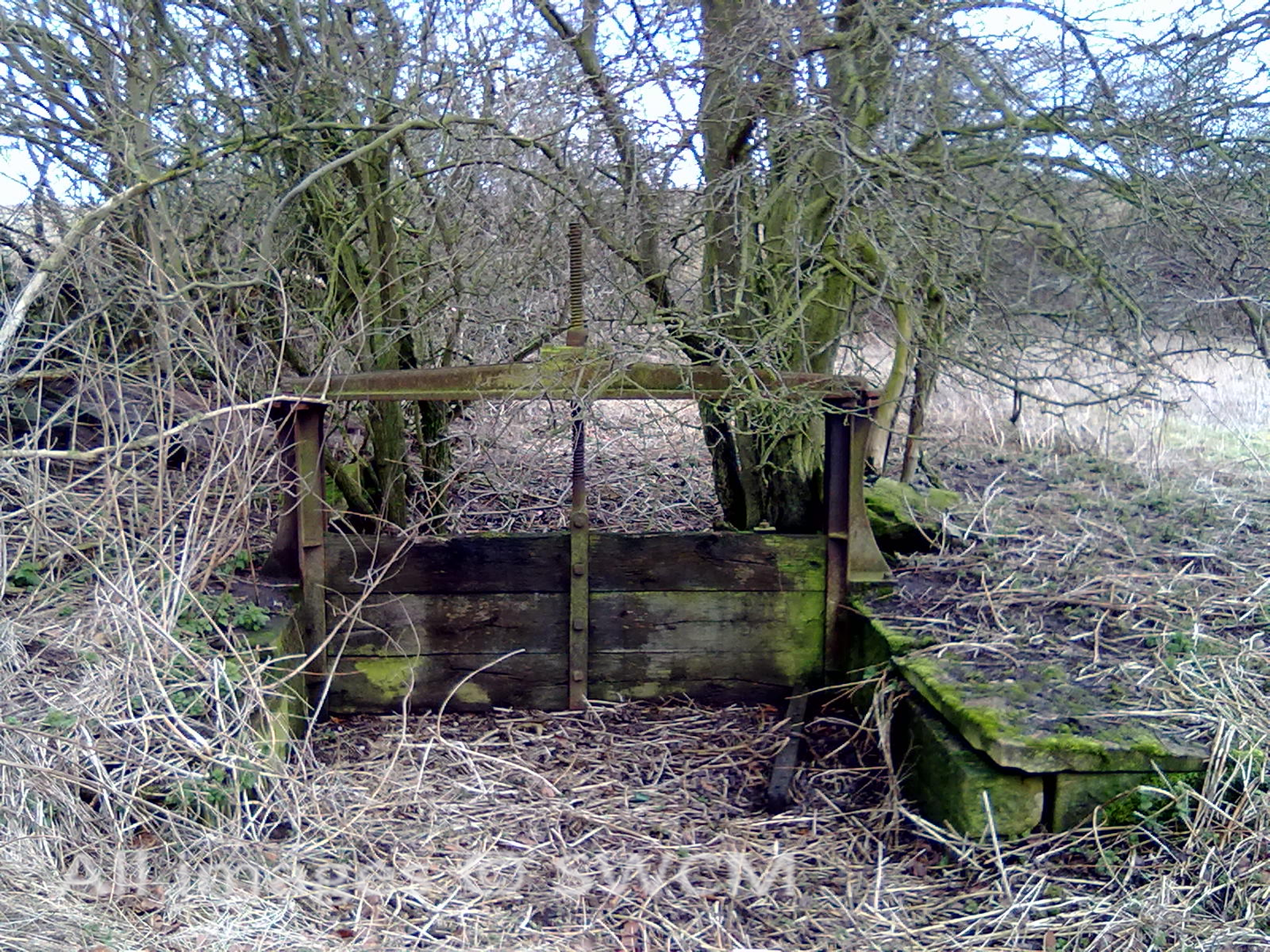
Water meadows
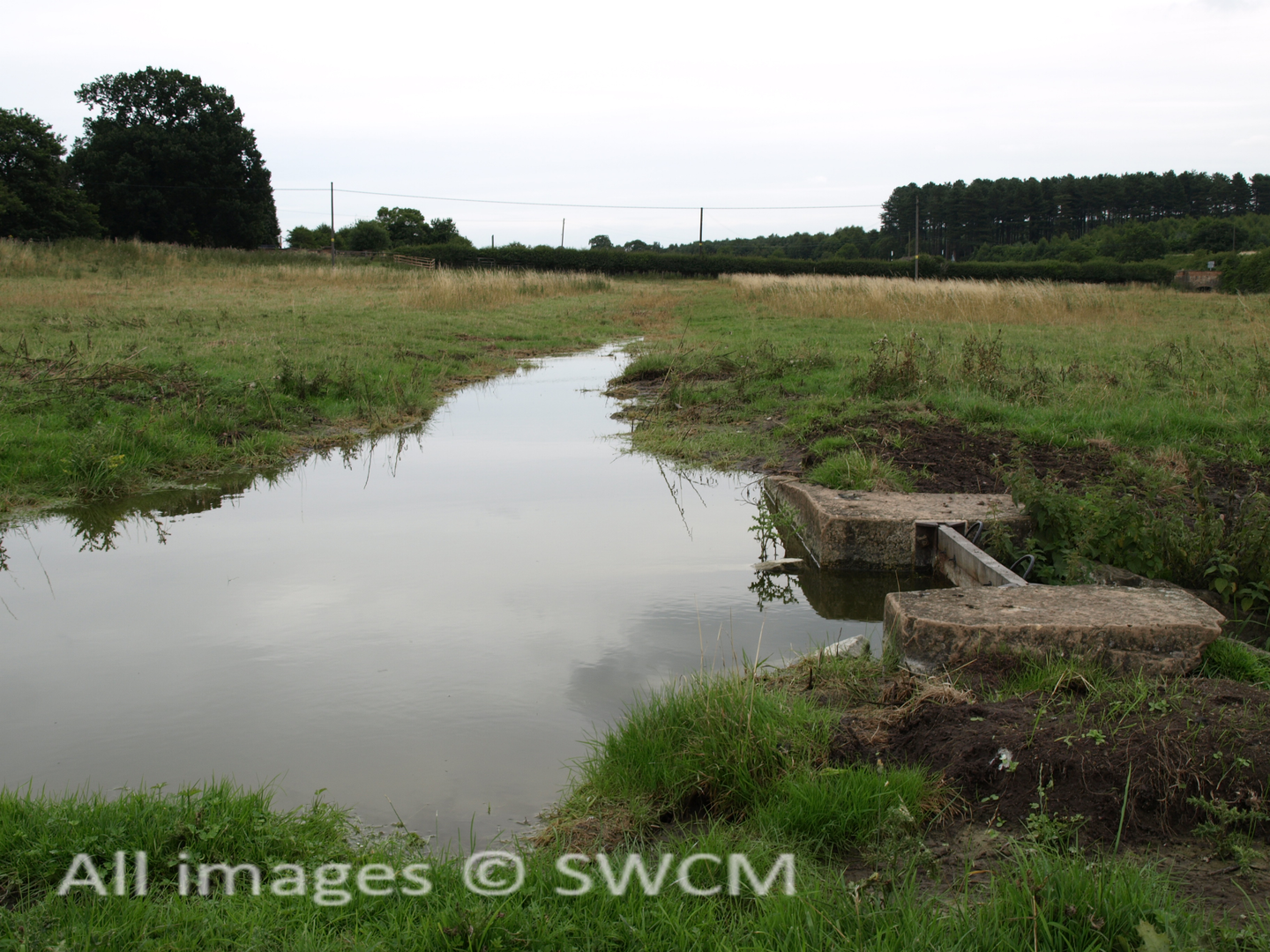
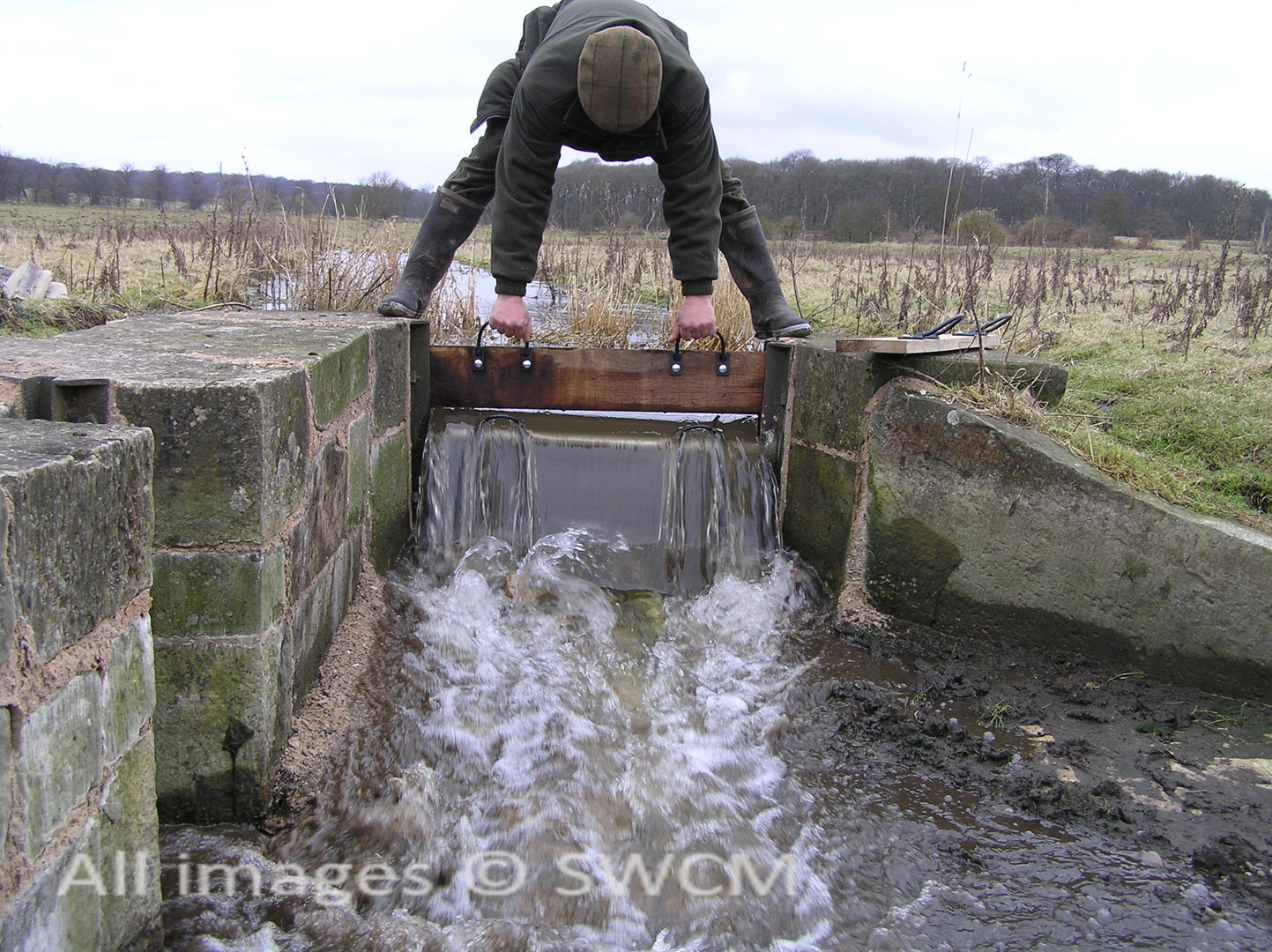
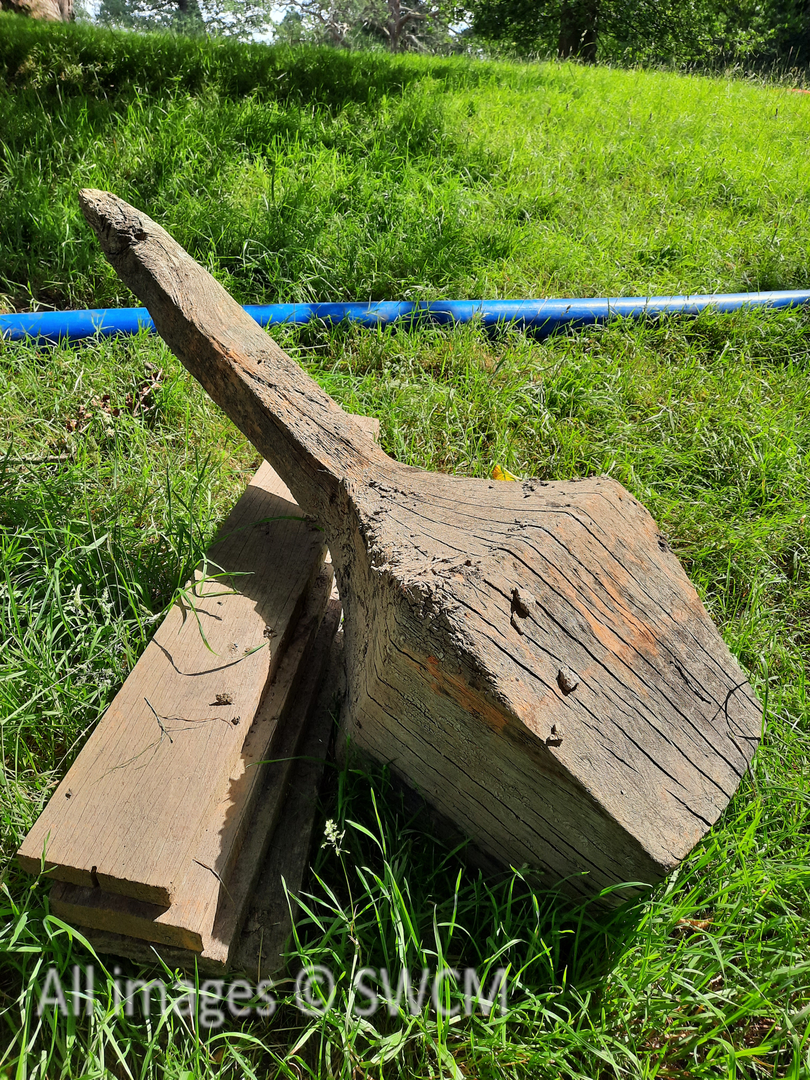
Postgraduate study in the 1990’s under a prominent researcher into water meadows set the scene for Jon’s interest in a largely forgotten form of agricultural water engineering. Designed at great expense to carefully irrigate grass with flowing water during winter, thereby raising soil temperatures above the threshold for grass growth, water meadows allowed more grass fodder to be grown at a time when livestock manure was vital to fertilise arable soils.Southern water meadows in the chalk river catchments are relatively well researched, but the water meadows of the English Midlands less so. SWCM were prominent in working with local landowners and farmers to study the great 18th and 19th century water meadows of the Nottinghamshire Dukeries, once home to four great ducal estates.
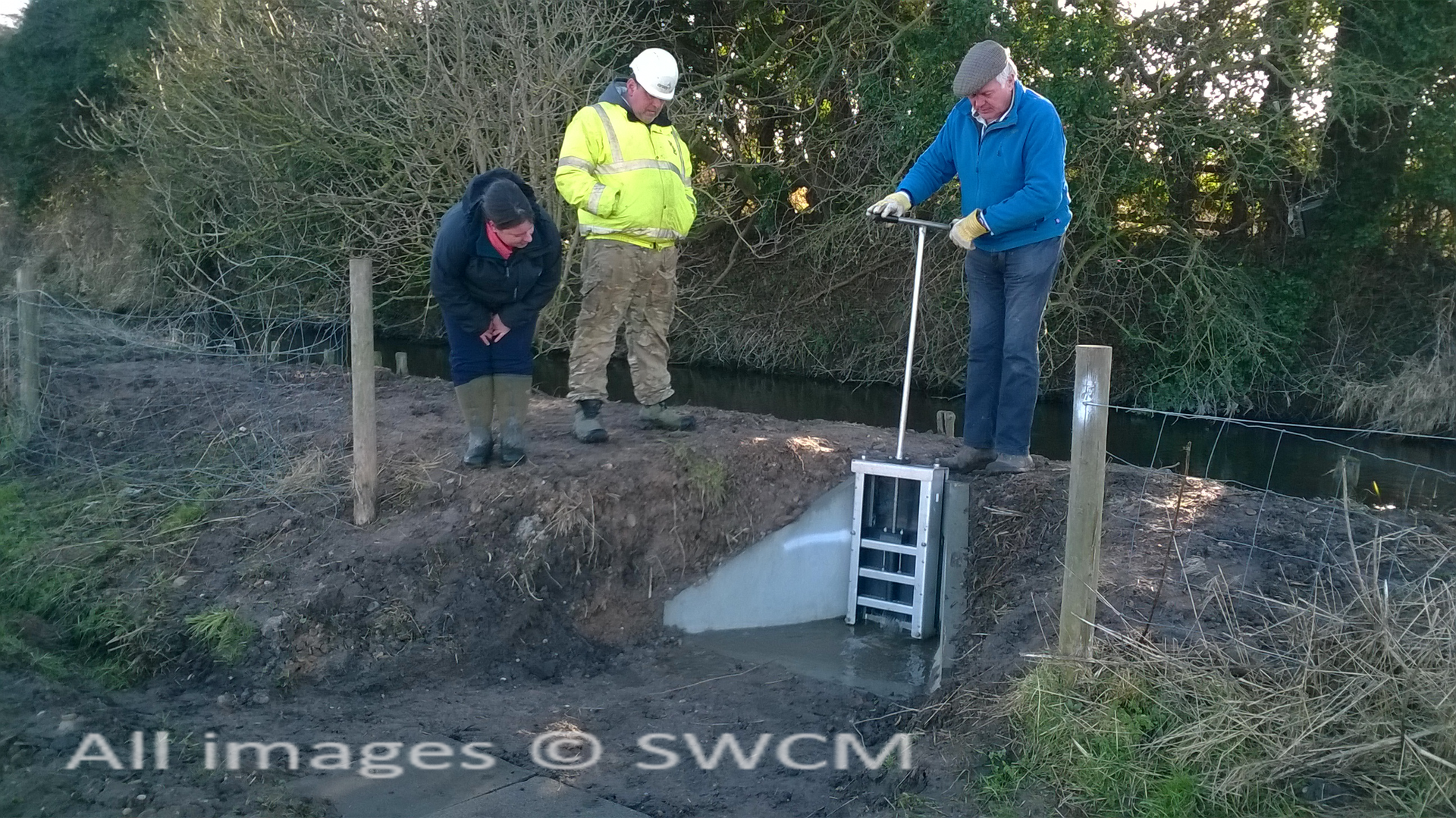
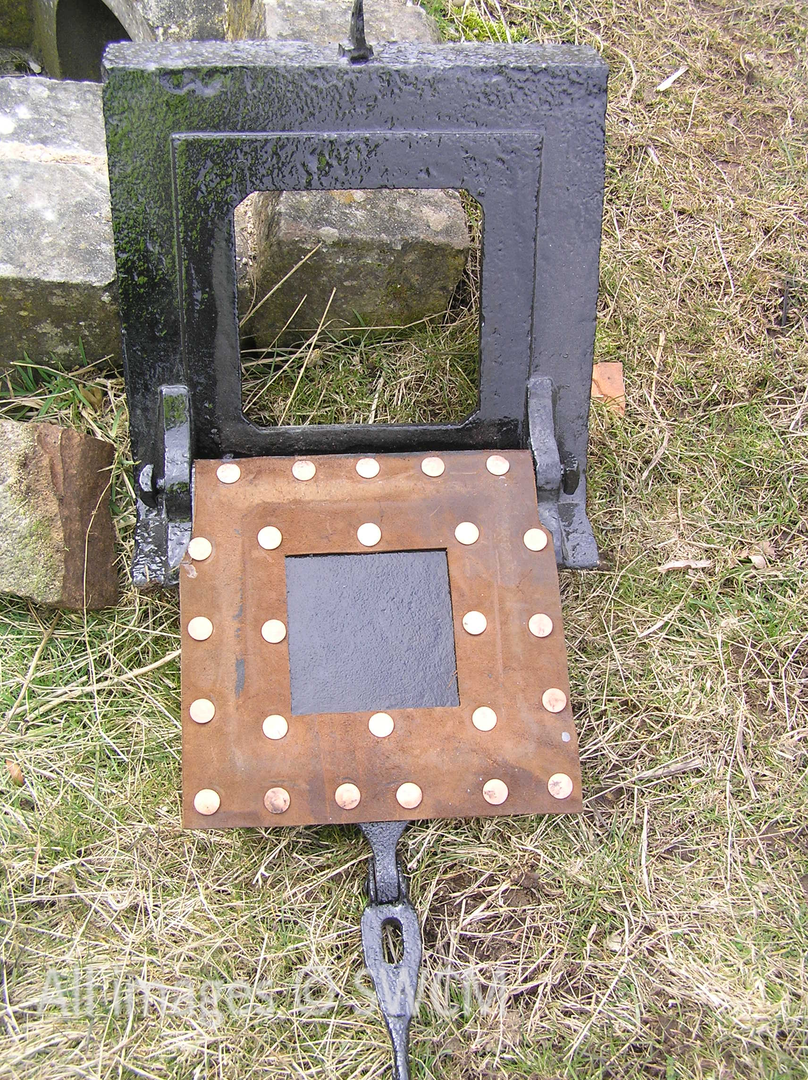
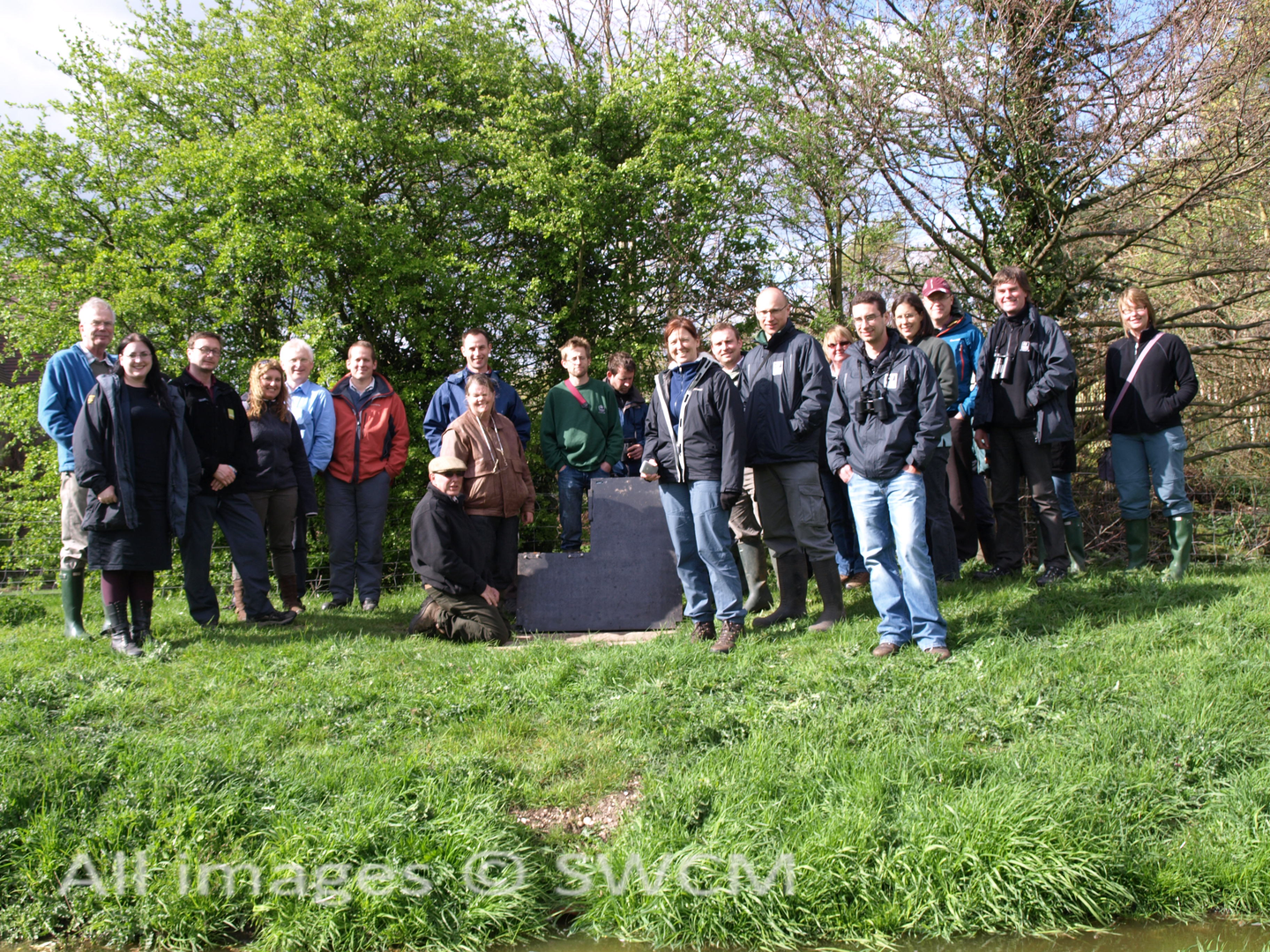
Research cumulated with restoration of a section of water meadow with support from Nottinghamshire County Council and the Environment Agency. It was shown how water meadows could deliver multiple benefits, including MG4 wet grassland for waders, reduction in undesirable concentrations of phosphorus in the adjacent river, and all this while also demonstrating living history.
SWCM and associates understand the the necessary preparatory work for water meadow restoration, and are able to thoroughly evaluate the potential for restoration via desk and field assessments of hydrology, landscape, history and ecology.