
Soil, Water and Catchment Management (SWCM)
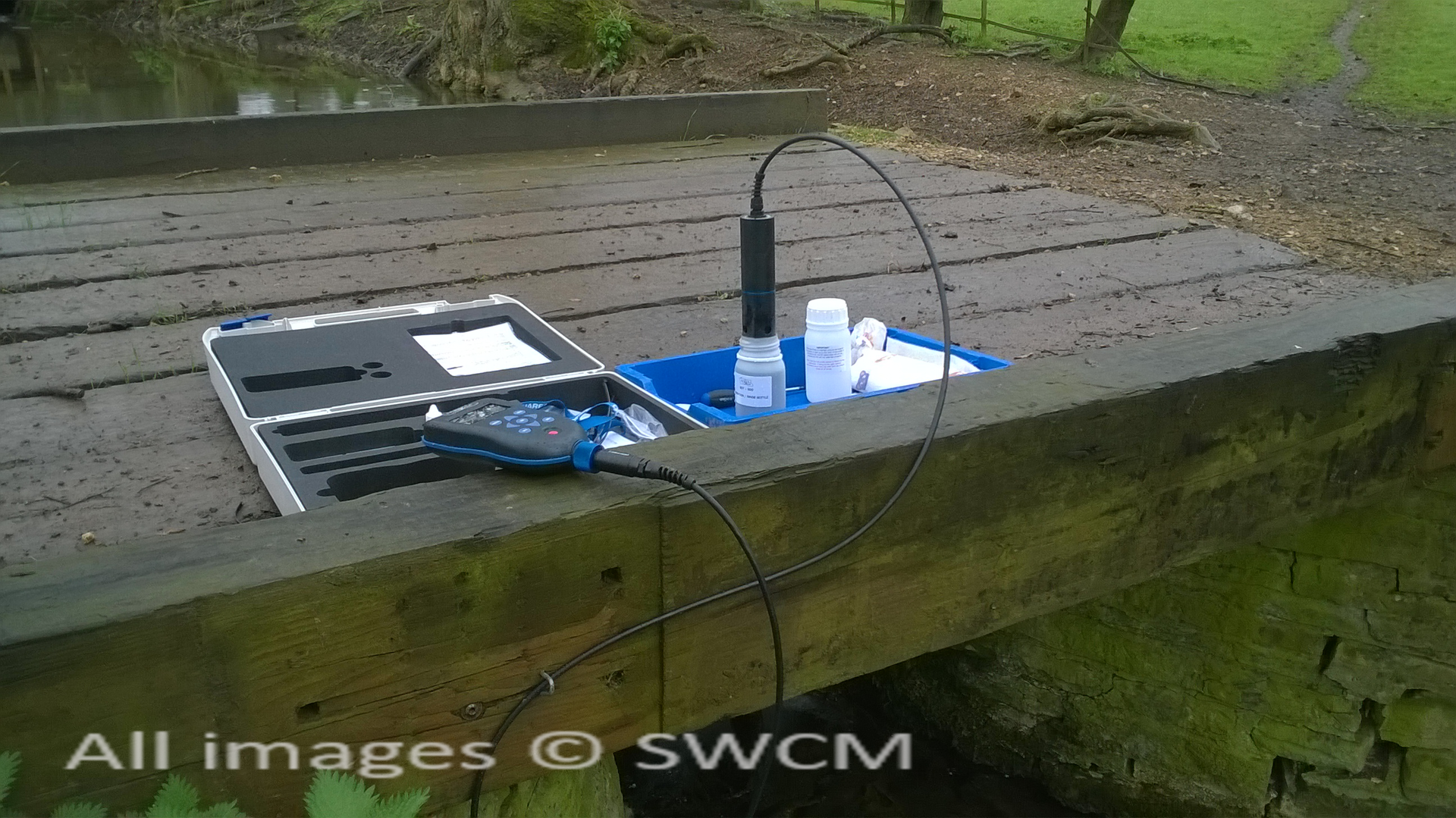
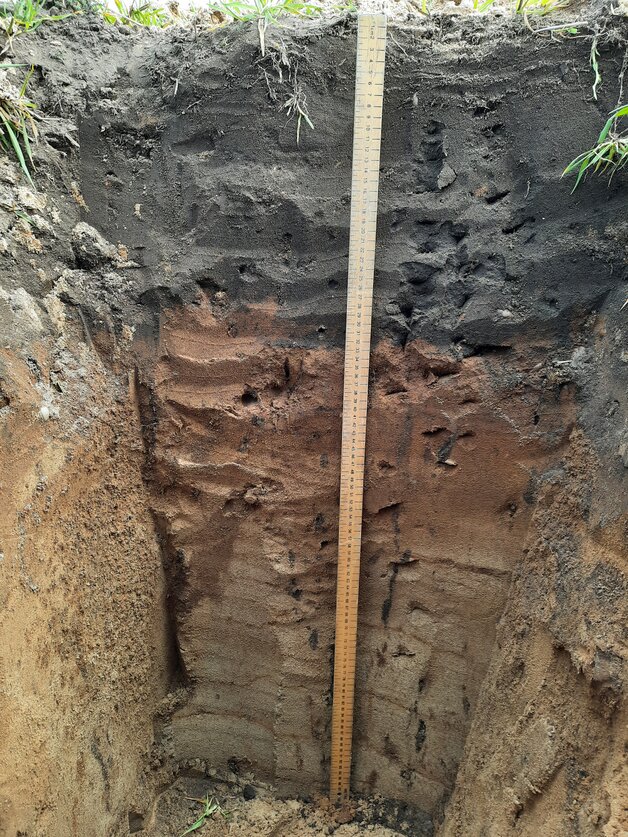
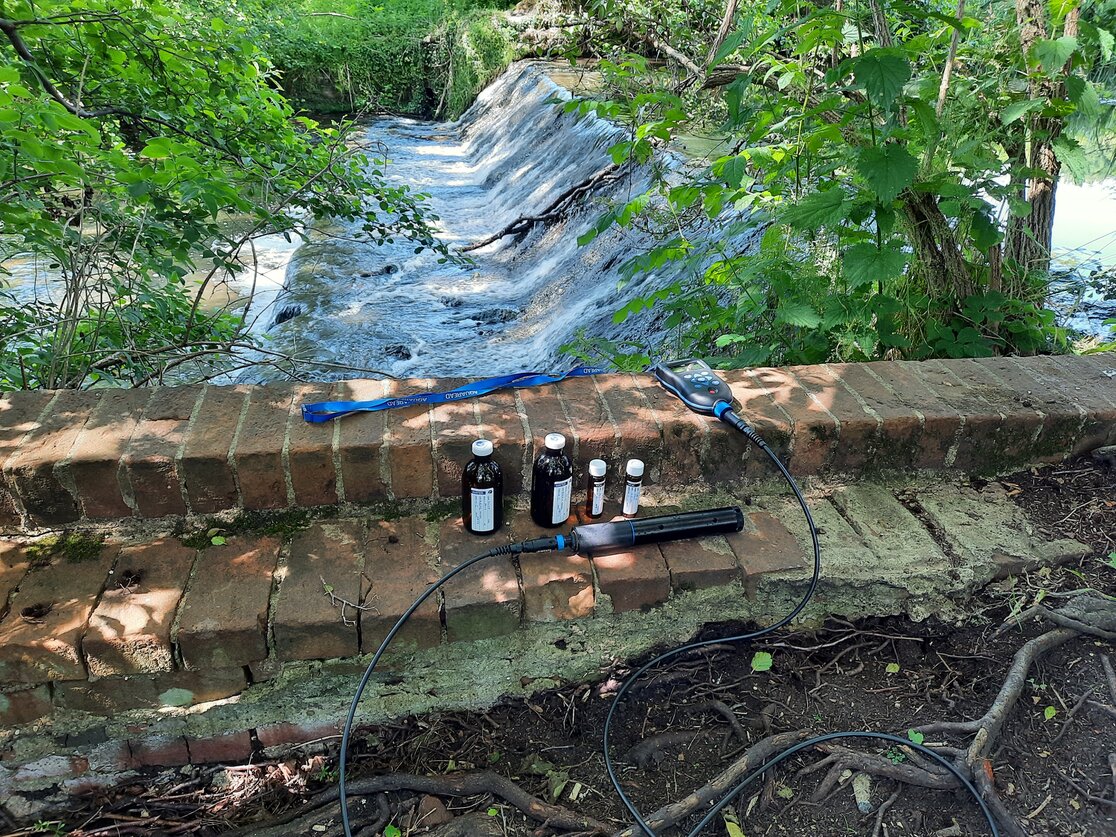
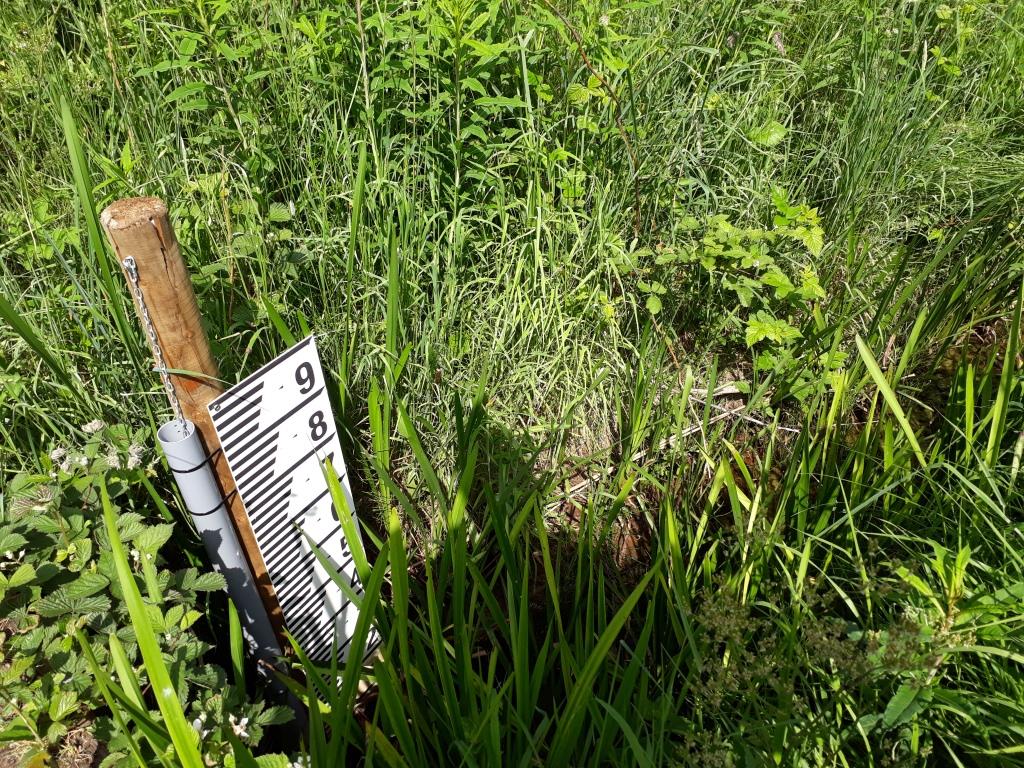
Soil, Water, and Catchment Management (SWCM) is an independent consultancy specialising in the rural hydrological environment. Based in north Nottinghamshire, we undertake nationwide desk and fieldwork into river, pond and lake health, catchment functioning, soil health, soil drainage & runoff.
SWCM was started in 2012 by Dr Jon Hillman, who has over twenty-five years experience in soil & water research and consultancy. He formed SWCM after previously working for a multinational consultancy, ADAS and the university sector.
Working with a close network of engineers, ecologists, archaeologists and other specialists, we pride ourselves in comprehensive environmental assessments and management plans for a wide range of rural, parkland and upland settings.
Jon Hillman PhD, MSc, BSc. (Hons) Mi Soil Sci
With a background in agriculture, Jon has training in hydrology, soil science, environmental policy and stakeholder engagement, and his work history has also required significant interaction with planning, water industry and environmental sectors.
Previously working for a large international consultancy, Jon has considerable experience in project management and has led projects of a wide range in sizes and complexity. He has both managed and acted as technical specialist to projects on measures to reduce agricultural impacts to water, Water Cycle Strategies focussing on phosphorus studies and point vs. diffuse sources, as well as landscape–scale wetland restorations (including water quality impacts). He has also developed and managed catchment investigations into water quality, monitoring and pesticide sources to several WTW intakes.
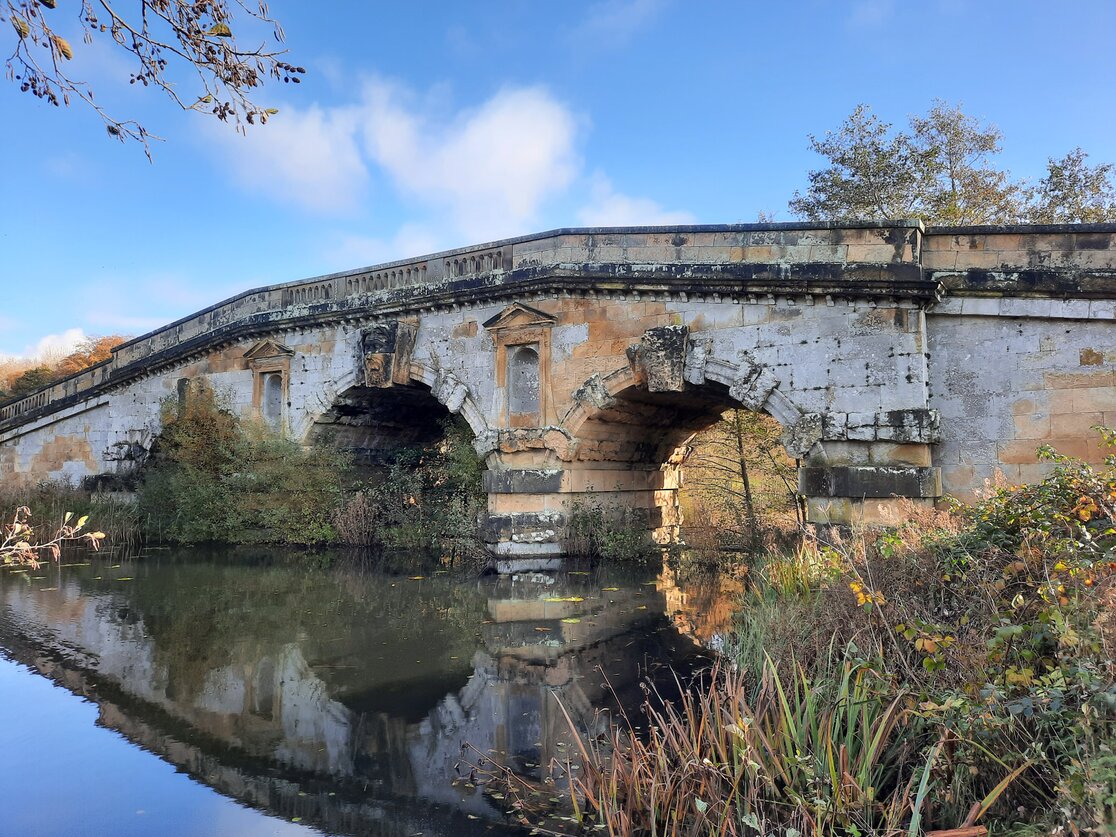
Over the past twenty years Jon has also enjoyed the opportunity to study a range of historic water environments including many registered Parks and Gardens. Leading multidisciplinary teams of consultants and contractors, and working closely with owners and regulatory bodies, comprehensive management plans have been drafted both to restore relic or neglected features, and to in-build resilience to pressures such as climate change.